I’m really thankful for all the incredible experiences I have this year. I’m going to take time this month to appreciate them and think back on the fun I’ve had with friends and family.
I’m not doing NaNoWriMo this month, but I will probably do a version of “Outline Some Story Ideas and Figure Out Which Ones I Really Want to Write Month.” So, that would be… OuSoStIdFiOuWhOnIReWaWrMo.
If you’re doing NaNo, I wish you a tremendous amount of luck and perseverance and creativity. I know you can do it!
Last week, I signed a new book contract, and I am thrilled. This book is really special and while I don’t have all the details to share right now, I hope you’ll join me in celebrating. Every book contract is cause for celebration, but this one is special. In many ways this story started when my oldest was in Kindergarten (he’s at college now and was there tonight on FaceTime!) It continued to grow in my heart for many years. Then, one phone call with my incredible agent Miranda Paul at EMLA changed everything. Writers, find an agent who sees the story you can tell. Miranda encouraged me to be brave and write this story and it’s found a home at a wonderful publisher!! I’ll have more news to share soon, but I’m so grateful for my family’s love and support, for my agent’s support and encouragement, and for every critique partner who gives so generously. Sometimes it’s hard to write stories that matter, but tonight I’m taking time to celebrate!! 🎉🎉🎉📕📕📕🎉🎉🎉
Here’s a fun video I shared on TikTok about the whole book contract signing experience that I hope you enjoy!
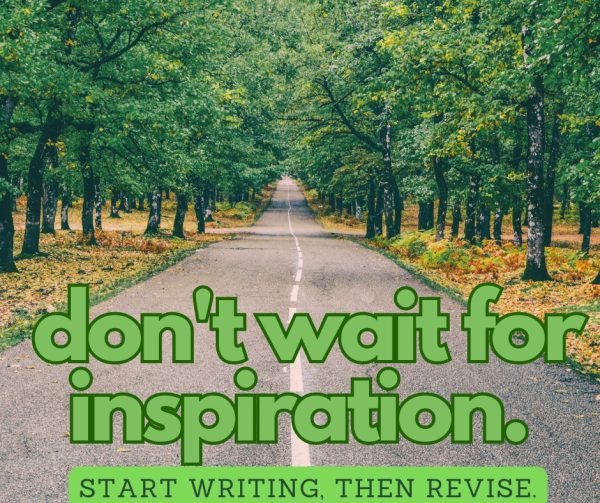
You don’t need to write the perfect book all in one day. But you do need to write every day. Even if you can only write a little bit. Write, then revise.
Every day that you write, celebrate. And call yourself a writer.
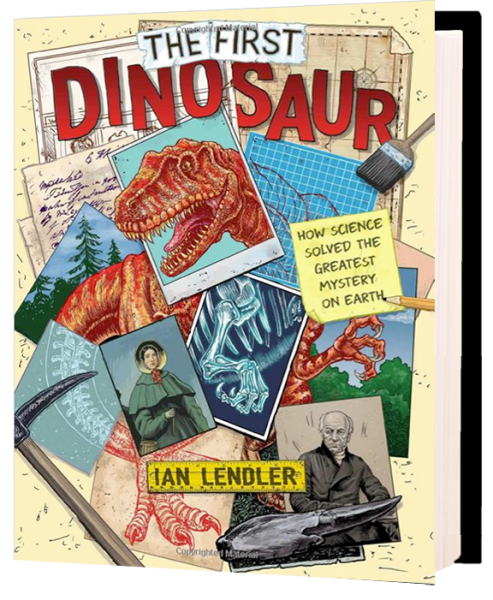
Who doesn’t love dinosaurs? Toys, pajamas, movies, chicken nuggets – dinosaurs are everywhere. When you’re ready to go beyond Jurassic Park and learn even more about dinosaurs, it’s worth checking out the nonfiction book The First Dinosaur: How Science Solved the Greatest Mystery on Earth by Ian Lender. This book tells the story of how the idea of dinosaurs and extinction developed. It’s almost as – maybe more than? – incredible as dinosaurs themselves!
After reading the book, dive into two excellent board games that involve strategy and creativity.
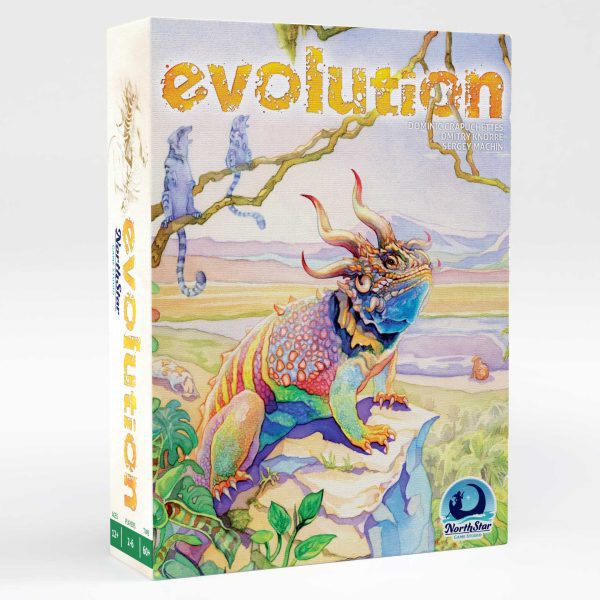
Evolution by North Star Games features deck building game play that allows you to create creatures with unique survival skills.
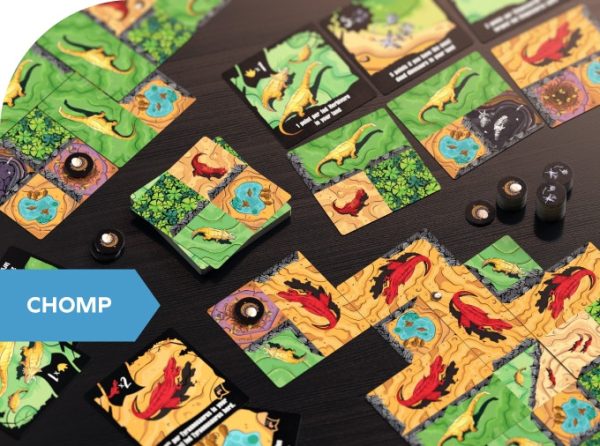
Another great card game featuring dinosaurs is the quick but tricky Chomp! You only have 8 draws to score the most points, and sometimes that means letting your dinosaurs go extinct. It’s not easy to survive the prehistoric world. We got this game by supporting the Kickstarter, and we all agree it was worth it!
As always, if you want to learn how to play, I recommend checking out “Watch It Played” on YouTube. Also,BoardGameGeek offers a lot of great recommendations and Q&A.
Once you decide you want to buy a game, please look around for a local board game store!
For more book recommendations, I ALWAYS recommend visiting and buying from your local bookstore. One way you can buy online and support a local store is by shopping through Bookshop.org.
When you want to be a writer, the first step is to sit down and write. But then what? You can’t write a book all in one sitting. (Well, you can write a picture book in one sitting. But then you revise it for months, am I right?) It can be hard to get that positive feedback that people need working on your own day after day. How do you know if you’re making progress or doing a good job?
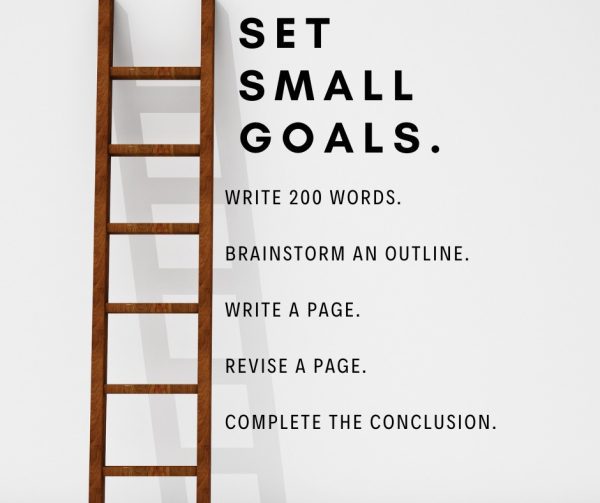
You need to set some benchmarks for yourself that are objective, achievable, and recognizable. The goals also need to be things you are in charge of completing. They can’t rely on other people.
I set goals for every week, every month, and every year. A few years ago, I thought about writing “get an agent” as a goal. But then I crossed that out. Because that is not a goal that I am in charge of achieving. It depends on someone else to like my work. What goal was I in charge of achieving?
Submitting to agents.
So, I set a goal that was like “submit to 10 agents every 3 months.” Another goal was “attend an event with submission opportunities.” I can be in charge of reaching those goals. And they were not too big, they were small steps that I could take within the time that I had.
So set reasonable goals. Then write them down AND write down the work you are doing to work toward your goals.
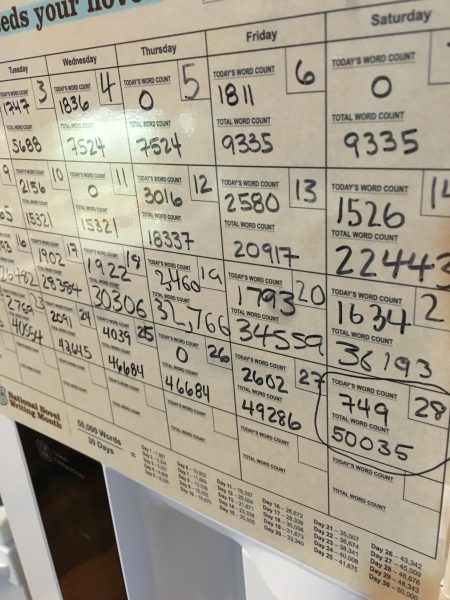
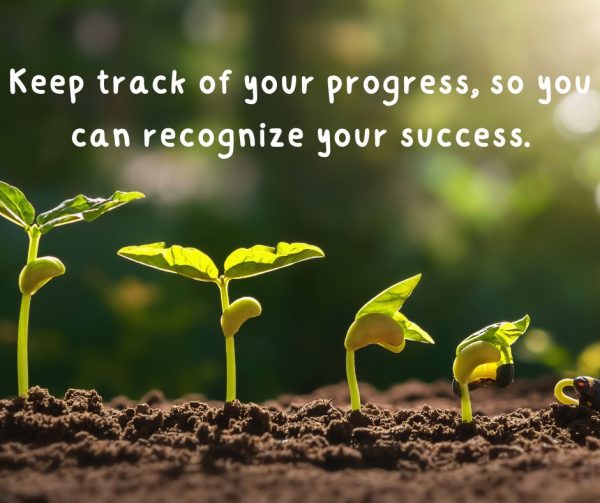
One classic goal that writers set is a certain number of words a day. Do you just have a mental note of your daily word count? Or do you use a word count tracker? I use a tracker because I love to see that evidence of my work. I look back over it when I need to remind myself that I have reached my goals in the past and I can reach my goals today.
You need to know when you reach your goals. Because when you hit those goals, you need to CELEBRATE those goals! You need to give yourself the pat on the back to keep going.
What’s your favorite way to celebrate? I love a piece of chocolate or a birding walk! Sometimes, I watch a favorite tv show or movie (that counts as professional development!) What do you do?
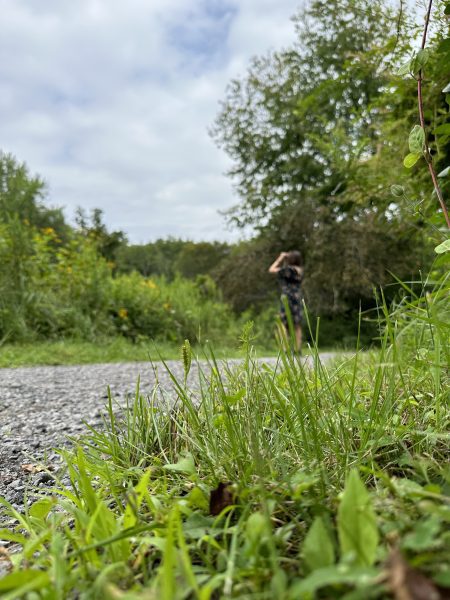
It’s great to be in a critique group, you can learn so much. But most writing you have to do on your own. And you can learn so much birding with others. But at some point, you have to learn to identify the birds on your own.
Sometimes you go in search of a story, seeking, pushing, striving. You’re plotting it out, asking what if questions, scratching out ideas, rewriting. And sometimes, you wake up from a nap and the story is sitting right there, ready and complete from start to finish, in your mind.
Most days I love to sit and bird in my backyard. I’m lucky. I have a lot of oak trees and lots of warblers and migrators pass through here spring and fall. I know the rhythms of my backyard birds very well. It’s reassuring, easy. Satisfying. Safe.
But other times I need to get away from safe. I need to push myself out of my comfort zone and bird somewhere new. I need to walk, see new perspectives, hear new songs. I need to stretch my muscles and my mind and refresh my view of the world.
Birding is a lot like writing. Some days, you need to write what you know and love. Somedays, you need to learn more, learn something new, and broaden the circle of what you know and love so you can write even more.
OK readers, you’re looking for more tips on how to be a productive writer. You already know that you need to set aside time on a regular basis – something even I am having trouble doing right now!
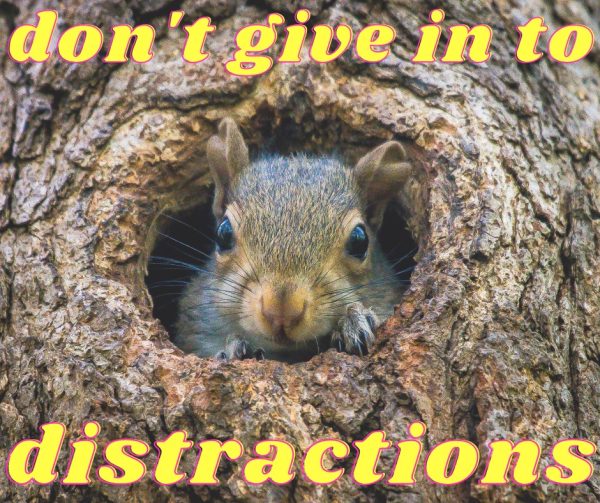
But even when you set aside time, are you not getting the writing done? Are you dealing with distractions?
Distractions are the worst. We are so easily intrigued but things are cute and silly and NOT HARD like writing can be. But you must resist. Turn off the phone notifications. Close the email inbox. Close the door if you can.
One thing I like to do is turn on white noise “cafe sounds” to help me tune out unusual background noise. I also light a candle. I think the sensory trigger of the candle scent helps my brain remember this is writing time. These are little signals that help me focus and relax at the same time.
Little rituals like this can be so helpful when you want your body and mind to transition into writing mode.
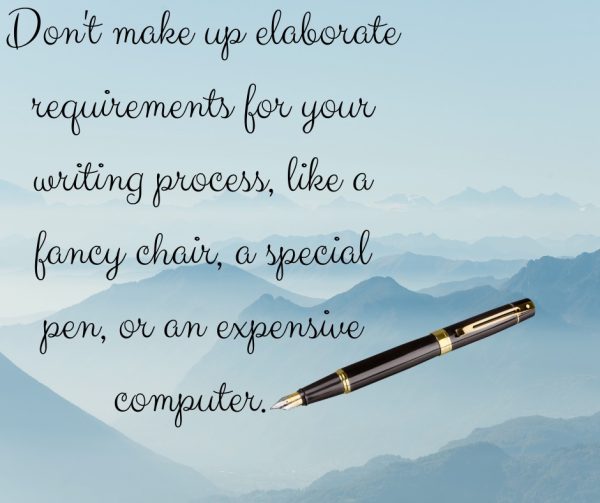
But one thing you DON’T want to do is make up an elaborate ritual that is really hard to keep up with and wastes time before you start writing.
Truly, it doesn’t matter if you have the right background noise or a yummy candle. You just need to say, “No, writing this is more important.”
So say no to distractions and say yes to getting down to writing. You deserve it.
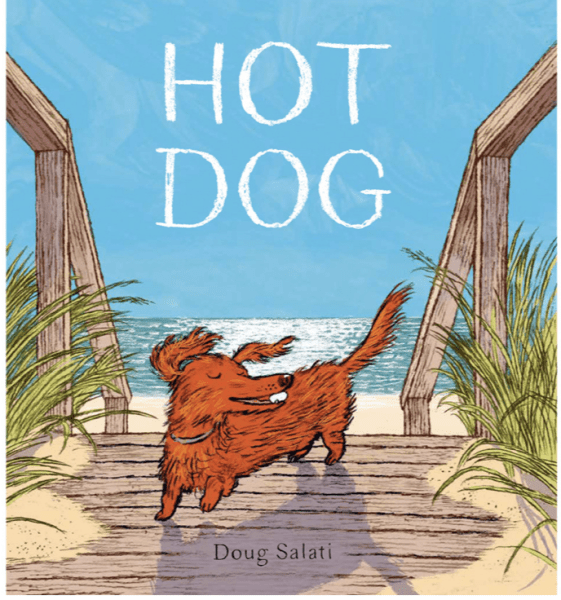
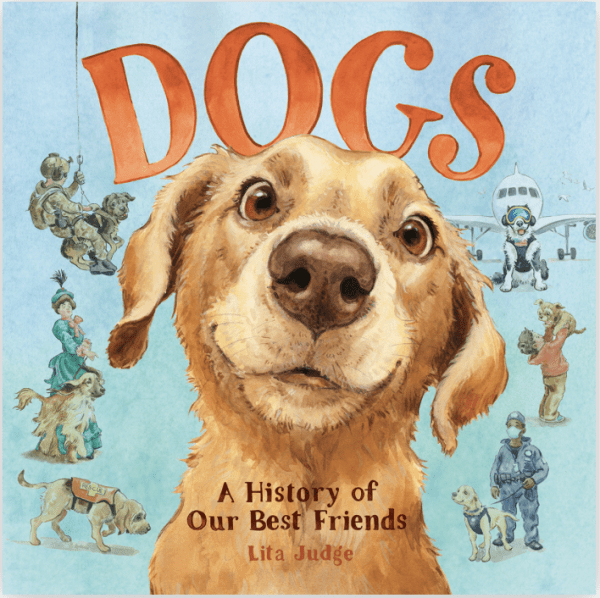
OK who does not love books about dogs? And games about dogs? And everything about dogs?? Even cat people will love these books and board games about our FBFS. furry best forever friends.
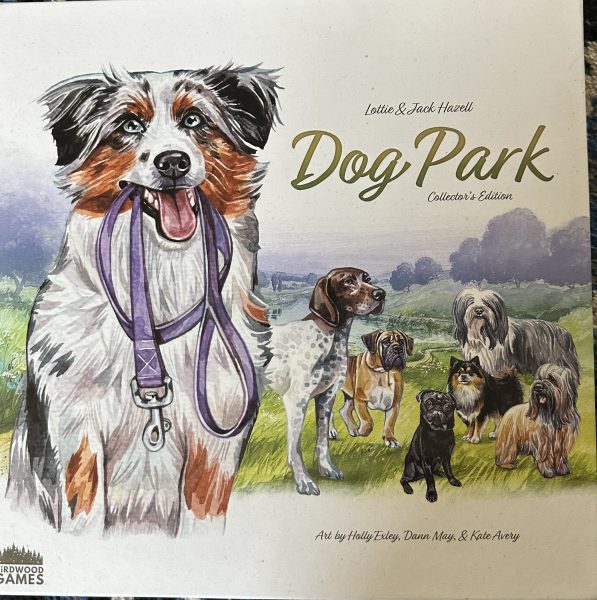
Two excellent board games for dog lovers. In Dog Park, you have a few rounds to take your dog clients on walks through the park and earn points.
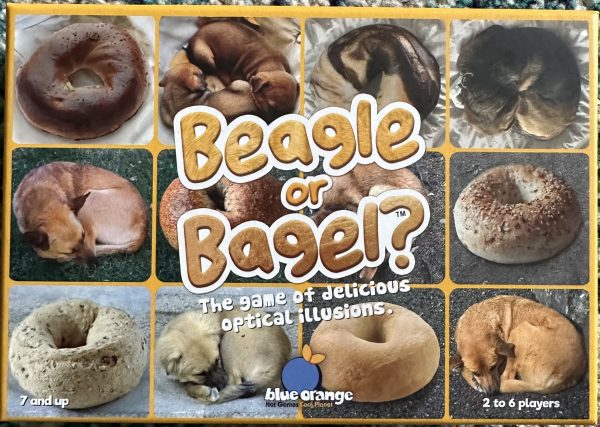
Beagle or Bagel is a fast-paced card matching game that also involves shouting. This card game always makes us laugh, and hungry.
As always, if you want to learn how to play, I recommend checking out “Watch It Played” on YouTube. Also,BoardGameGeek offers a lot of great recommendations and Q&A.
Once you decide you want to buy a game, please look around for a local board game store!
For more book recommendations, I ALWAYS recommend visiting and buying from your local bookstore. One way you can buy online and support a local store is by shopping through Bookshop.org.
Are you having trouble writing? Not sure how to get started? Looking for tips to help you write more?
I do a lot of writing. Every day. And I do a lot of reading about writing. Every so often I read a book with advice on writing. These books usually have really great tips in them, but it can be hard to find the gold nuggets. Sometimes the tips and suggestions can be buried in a lot of other content. Sometimes the tips are written in a nice way, when most people need a blunt piece of direct talk. And most people don’t know what suggestions or advice will really, really work for them.
Writing can be intimidating to people who don’t do it regularly. My older kids are heading in big years at high school and college, and I know they are going to do more writing. So I picked up a writing advice book, read it over, and distilled the main points into these helpful little guiding images.
Whether you’re a new writer or an experienced writer, every one of us hits an obstacle at some time in our creative process. I’ve found these specific tips have helped me stay productive in the long run. Maybe these tips will help you, too!
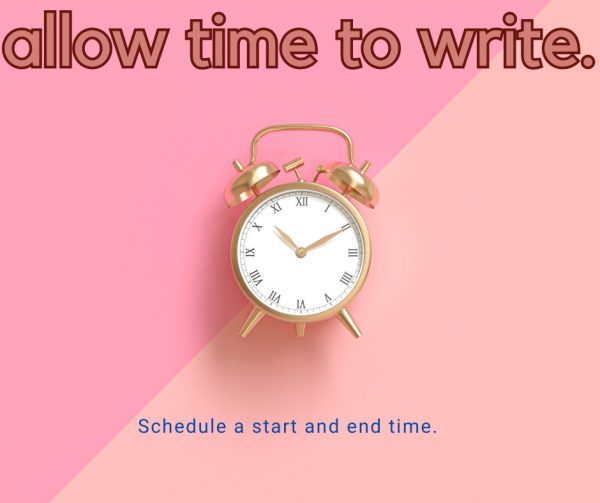
Here are the first two. They are of course, about time.
We all need more time in our day to do things. Or do we? Maybe it’s not about needing more time, but using our time the right way. If you don’t give yourself the time you need – or want – to write, it’s not going to happen.
This is another way that writing is like running. You can’t train for a marathon overnight. And you can’t write a novel in one day. So set a schedule and keep to it. Little by little, step by step, line by line, you can reach the finish line of your book.
I’m so thrilled I was finally able to hold my new book in my hands last week – what a joy!
I remember each stage of the process of creating this book. It started out as an idea for a field guide for kids to learn HOW to listen to bird song. Then it became a lyrical picture book for older readers that I hoped would inspire more habitat protection. Then I had the chance to submit a bird-themed book to Kiwi Co. thanks to my incredible agent Miranda Paul at Erin Murphy Literary Agency. I revised my earlier idea and added a lot more fun bird songs but kept as much of the science as a I could. And now, it’s a real book!
I really hope it helps young readers and their loved ones get out in nature and enjoy listening to bird songs, because they are SO GOOD for your brain!
It’s only available from Kiwi Co. at the Koala Crate subscription level, so you’ll have to enjoy this video peek.